The final conference of the ToxoReTREAT project, held on November 5, 2026, in Belgrade, highlighted the results of a three-year multidisciplinary research effort aimed at improving diagnostic approaches and treatment options for reactivated toxoplasmosis. The event brought together researchers, clinicians, and experts from across the biomedical sciences to discuss the project’s findings and their potential applications in clinical practice.
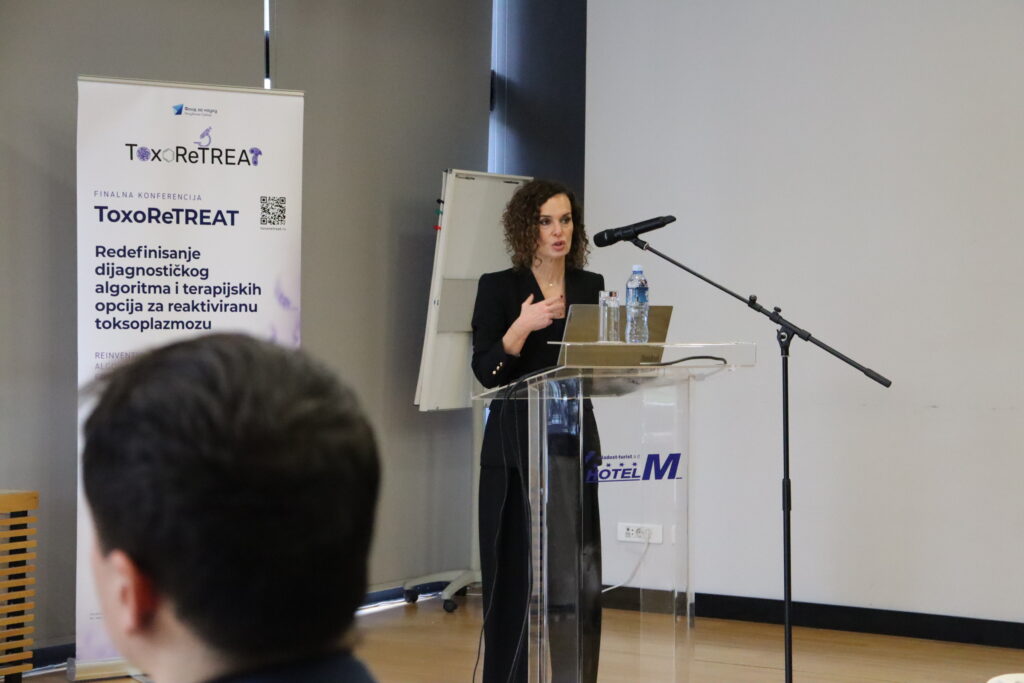
The conference featured research on the development and evaluation of new acridine and acridone derivatives with activity against Toxoplasma gondii, the use of experimental models, and computational analysis of microscopy images, including automated detection and scoring of parasite cysts. Other presentations explored biomarkers, risk factors for infection reactivation, and advances in diagnostic approaches for patients following hematopoietic stem cell transplantation.
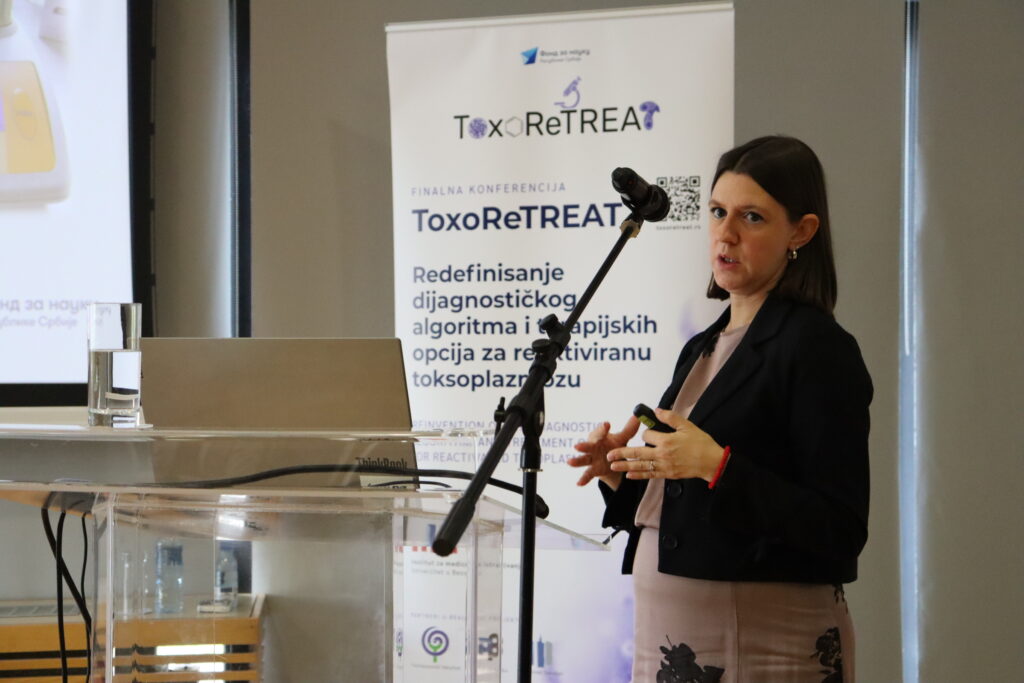
Beyond the scientific presentations, three panel discussions addressed challenges in preclinical and clinical drug development, the importance of collaboration between microbiologists and clinicians in medical decision-making, and the role of research projects in supporting early-career scientists. The discussions brought together perspectives from academia, healthcare institutions, and specialists working to develop and translate new therapeutic approaches into clinical care.
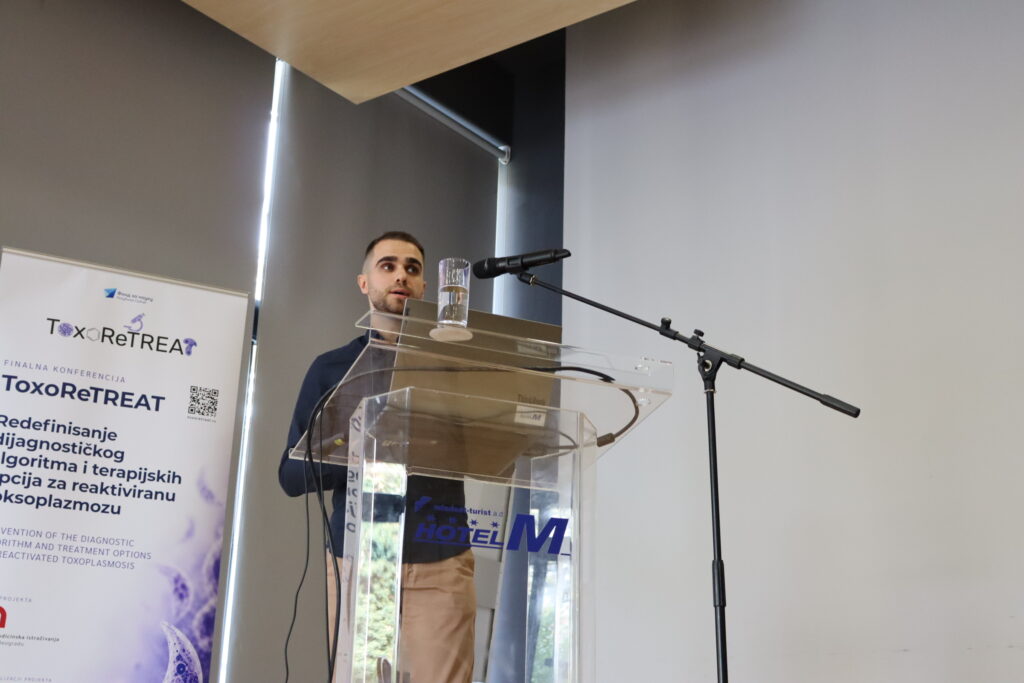
A major outcome of ToxoReTREAT project was the development of the National Guidelines for the Diagnosis and Treatment of Toxoplasmosis in Hematopoietic Stem Cell Transplant Recipients, presented at the conference. The document integrates current international recommendations, findings from research conducted in Serbia, and the extensive experience of the National Reference Laboratory for Toxoplasmosis, with recommendations adapted to the Serbian healthcare system.
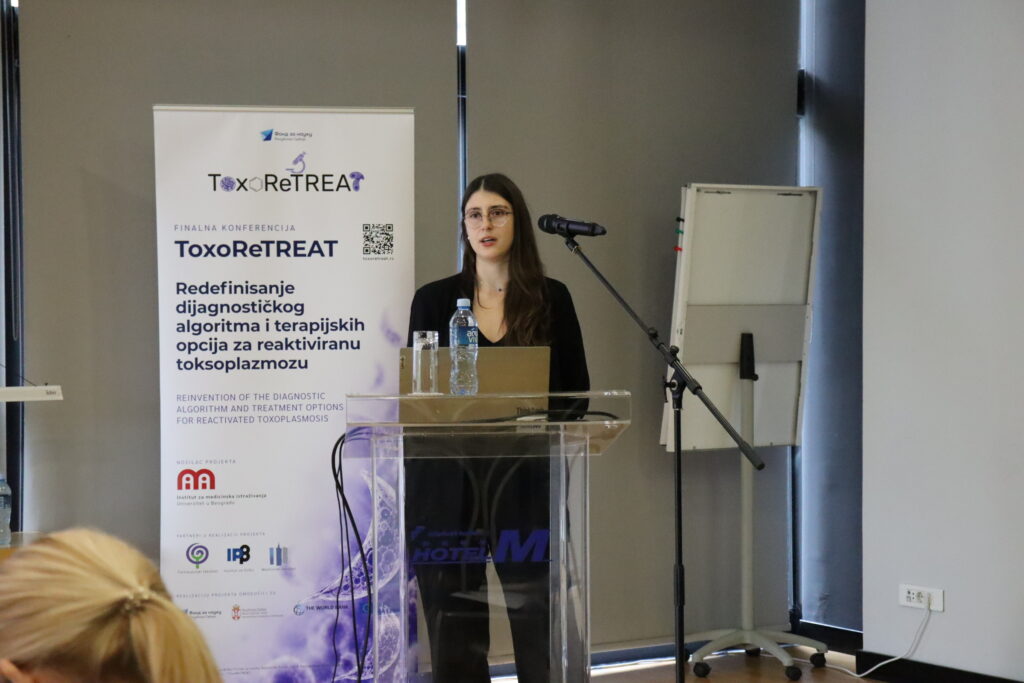
The guidelines cover pretransplant risk assessment, prevention, serologic and molecular diagnostics, prophylaxis, and treatment. Four clinical algorithms provide practical guidance on risk assessment, patient screening and monitoring, management of positive molecular test results, and clinical decision-making when toxoplasmosis is suspected. Together, they aim to provide clinicians with a clearer, more standardized framework for early detection and appropriate treatment.
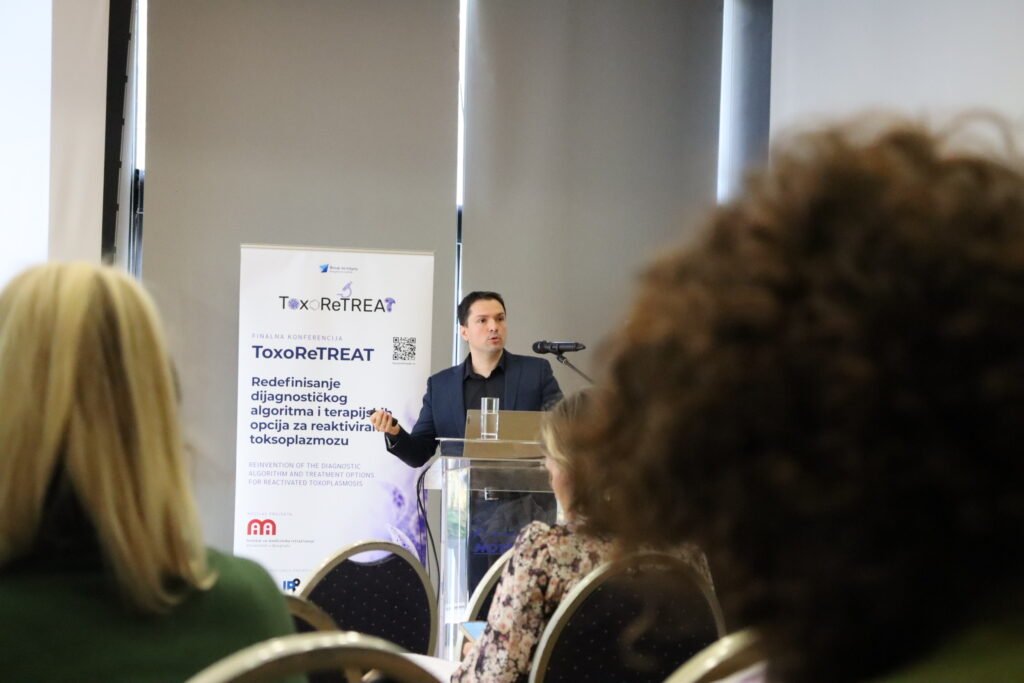
ToxoReTREAT is led by Dr. Tijana Štajner, Head of the National Reference Laboratory for Toxoplasmosis and Coordinator of the Group for Microbiology and Parasitology at the Institute for Medical Research, University of Belgrade. The project was conducted in collaboration with the Faculty of Pharmacy, the Institute of Physics Belgrade, and the Faculty of Medicine, University of Belgrade, with funding from the Science Fund of the Republic of Serbia through its PRISMA program.